Text To Speech
Created on 19 October, 2025 • Text Tools • 60 views • 2 minutes read
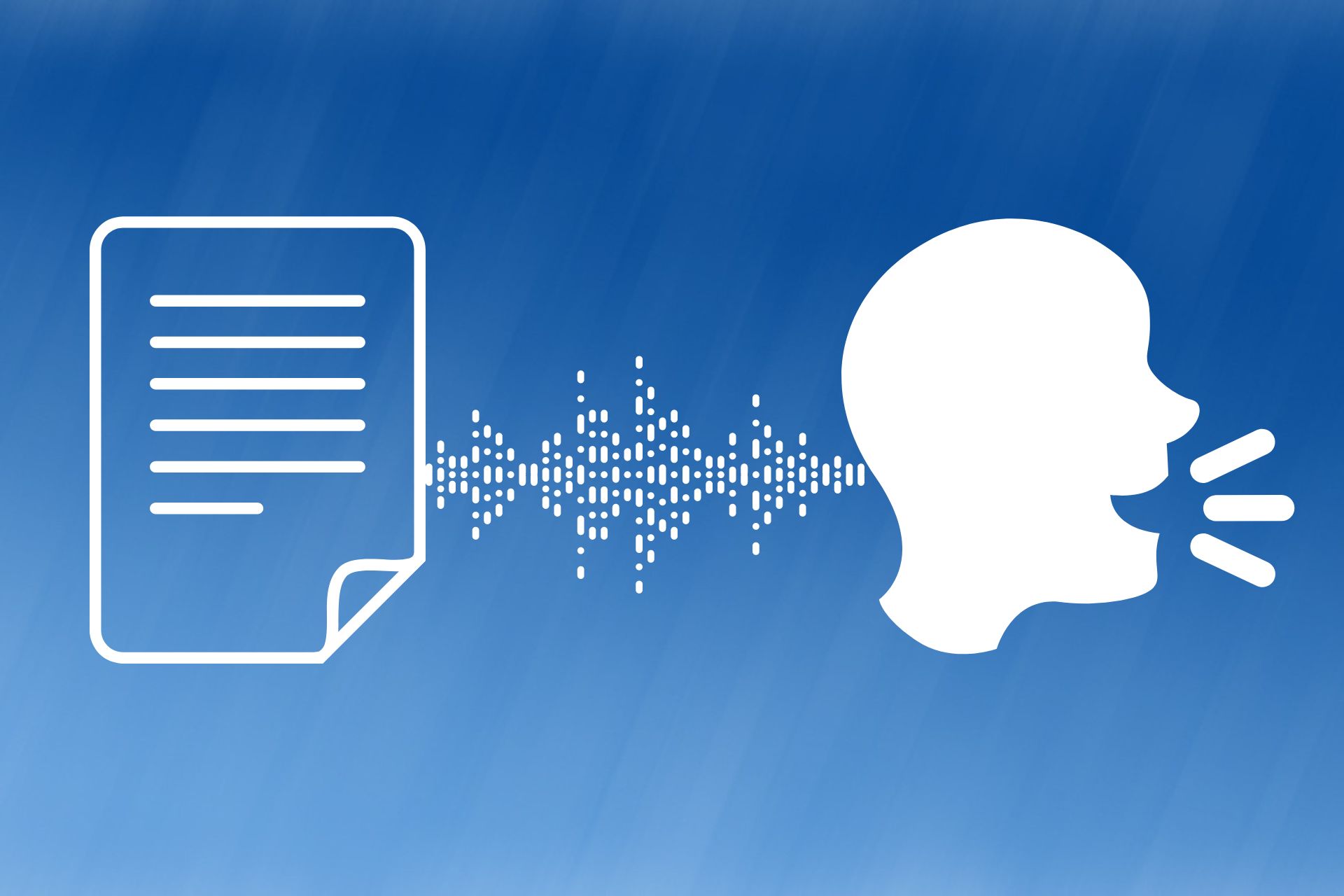
Text to Speech (TTS) technology bridges the gap between written content and spoken language, allowing users to hear text read aloud in natural, human-like voices.
Text to Speech – Transform Written Words into Natural VoiceIn the digital era, communication goes beyond reading — it’s about listening too. Text to Speech (TTS) technology bridges the gap between written content and spoken language, allowing users to hear text read aloud in natural, human-like voices. Whether for accessibility, education, productivity, or entertainment, text to speech is revolutionizing the way we interact with digital content.
What is Text to Speech (TTS)?
Text to Speech is a type of assistive technology that converts written text into audible speech. By using advanced artificial intelligence and natural language processing (NLP), TTS tools can interpret text and vocalize it with realistic pronunciation, intonation, and emotion.
This technology is now integrated into smartphones, computers, eBooks, and online tools, making it easier than ever for users to listen to emails, articles, or books while on the go.
How Does Text to Speech Work?
Text to Speech systems use a combination of speech synthesis and language modeling to produce spoken output. The process involves:
Text Analysis: The system breaks down the input text into phonemes (sound units).
Linguistic Processing: It identifies grammar, punctuation, and context to ensure proper tone and rhythm.
Voice Generation: The processed data is then converted into natural audio using pre-recorded or AI-generated voices.
Modern TTS engines leverage neural networks to mimic human voice characteristics, resulting in smooth and lifelike speech that feels more engaging than robotic.
Benefits of Using Text to Speech
1. Accessibility for All
TTS plays a vital role in accessibility by helping visually impaired or reading-disabled individuals consume written content. It enables them to listen to articles, books, or messages effortlessly.
2. Improved Learning and Productivity
Students and professionals can multitask — listening to study materials, emails, or notes while performing other activities. It enhances comprehension and retention, especially for auditory learners.
3. Multilingual Support
Many text to speech tools support multiple languages and accents, making global communication easier. You can listen to English, Thai, Spanish, or other languages in natural pronunciation.
4. Content Creation and Voiceovers
For content creators, podcasters, or marketers, TTS tools can generate professional-quality narrations without expensive recording equipment or voice actors.
5. Hands-Free Convenience
With TTS, you can listen to information while driving, cooking, or exercising — turning any text into an on-the-go audio experience.
Applications of Text to Speech
E-learning platforms for educational narration
Customer service bots for automated responses
Audiobooks and podcast production
Assistive devices for people with disabilities
Website accessibility compliance for inclusivity
Conclusion
Text to Speech technology is more than just a convenience — it’s a transformative innovation that enhances accessibility, learning, and digital communication. With AI-driven improvements, voices now sound more human, expressive, and natural than ever before. Whether you’re looking to make your content inclusive, boost productivity, or enjoy hands-free listening, TTS is the perfect tool to turn your written words into a powerful voice experience.
Embrace the future of voice technology with Text to Speech — where your text comes alive through sound.
Categories
Popular posts
-
YouTube Timestamp Link GeneratorGenerator Tools • 191 views
-
Number to Words ConverterConverter Tools • 171 views
-
UTM link generatorGenerator Tools • 123 views
-
WhatsApp Link GeneratorGenerator Tools • 106 views
-
File Mime Type CheckerChecker Tools • 100 views